Prikazani su postovi s oznakom Czech Republic. Prikaži sve postove

ponedjeljak, 26. siječnja 2015.

Prague - Happy New Year


This was the sixth visit to Prague and since I've already written a lot about this beautiful city in my previous posts, I have nothing particular to add. I will keep coming back here because I love it and I consider it one of the most beautiful European cities. This time it was the first visit for the New Year and for the first time I saw how it looks like dressed in winter. Wonderful! As we did in London, we passed trough the known paths of Prague. I don't have anything new to say except that I enjoyed every moment I shared with Prague and my friends.
Enjoy the pictures!


petak, 16. siječnja 2015.

Česky Krumlov


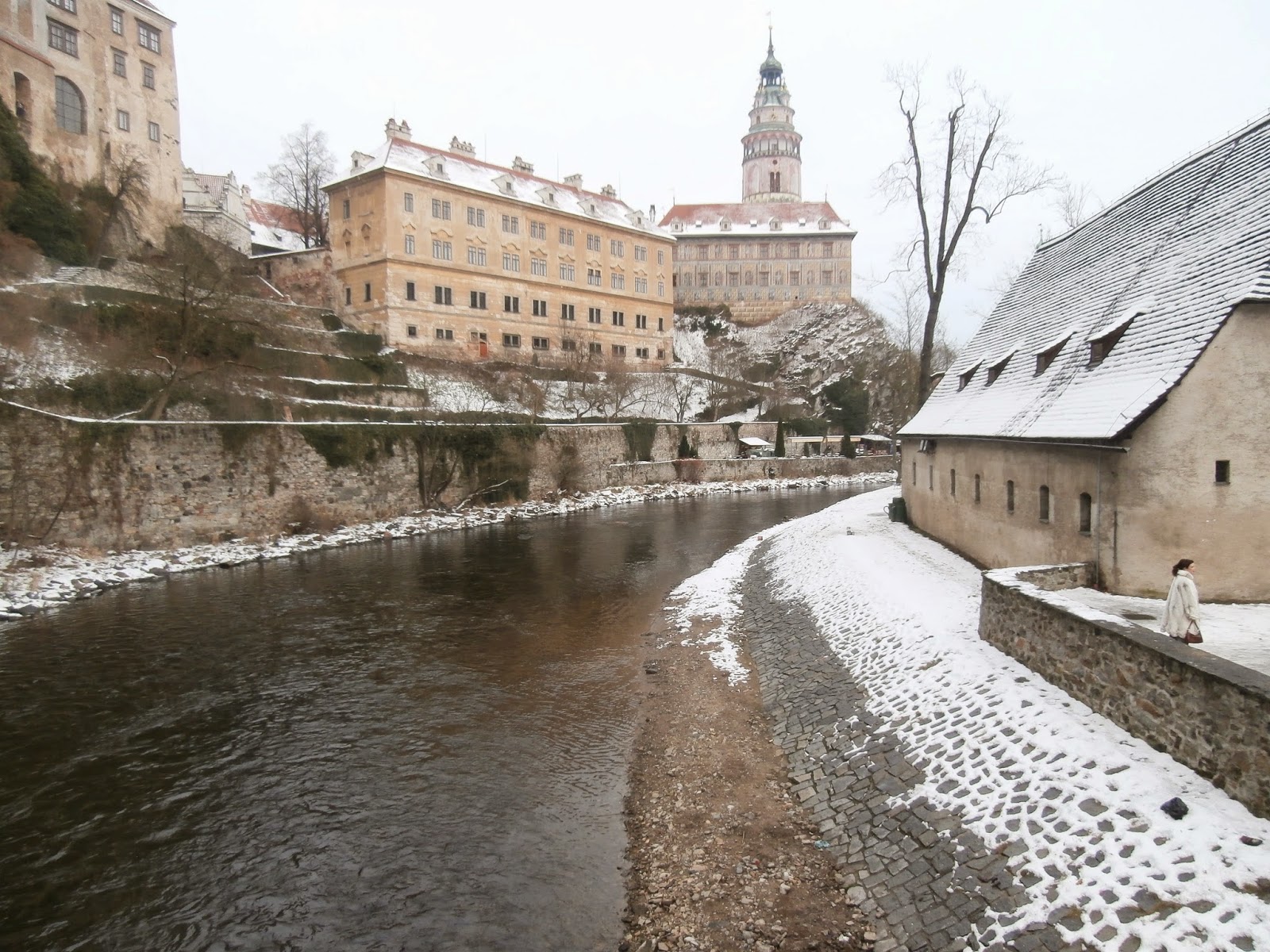
Česky Krumlov is a small city in the South Bohemian Region of the Czech Republic. Old Česky Krumlov is a UNESCO World Heritage Site. The city is named Česky Krumlov to differentiate it from Moravsky Krumlov in South Moravia. Construction of the town and castle began in the late 13th century at a ford in the Vltava River, which was important in trade routes in Bohemia. Most of the architecture of the old town and castle dates from the 14th through 17th centuries. The town's structures are mostly in Gothic, Renaissance, and Baroque styles.  Česky Krumlov was seat of Duchy of Krumlov.

8,662 inhabitants lived in it in 1910, including 7,367 Germans and 1,295 Czechs. During the interwar era it was part of Czechoslovakia. Between 1938 and 1945 it was annexed by Nazi Germany as part of the Sudetenland. The town's German-speaking population were expelled after World War II and it was given to Czechoslovakia. During the Communist era of Czechoslovakia, Krumlov  fell into disrepair, but since the Velvet Revolution of 1989 much of the town's former beauty has been restored, and it is now a major holiday destination popular with tourists from Germany, Austria and beyond, as far as China.
In August, 2002. the town suffered from damage in the great flood of the Vltava River.

This was only a little about the history of the city. And as for me, well, this is the second time I've been to Krumlov and every time I felt like I've entered into a fairy tale, especially this winter when it was covered with snow. It's a beautiful town, I get the impression that Andersen, while he was writing his fairy tales, had in mind  city such as Česky Krumlov.
I'll be baaaack!

subota, 30. srpnja 2011.

Top Hotel Praha in Prague

"Top Hotel Praha"

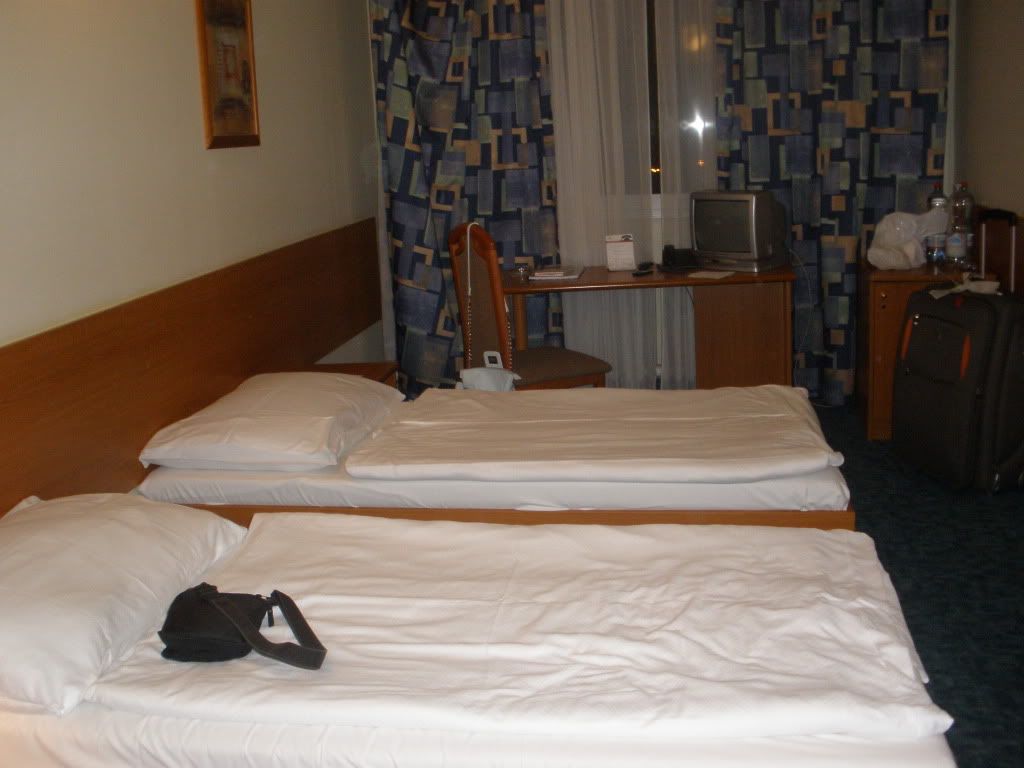
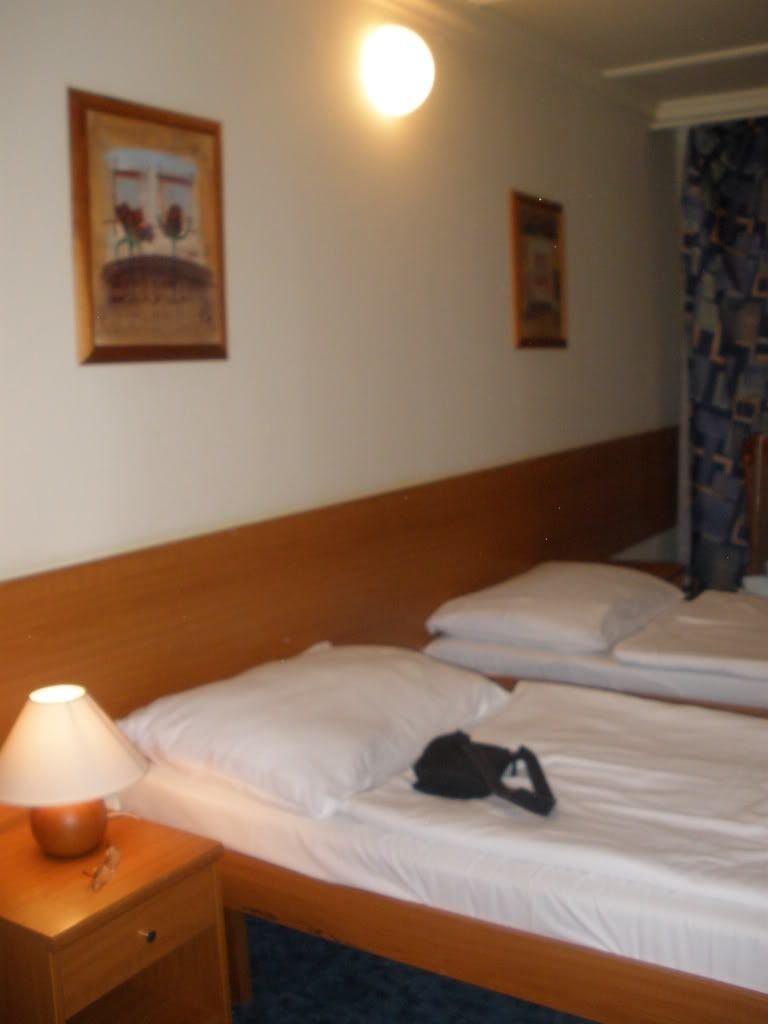
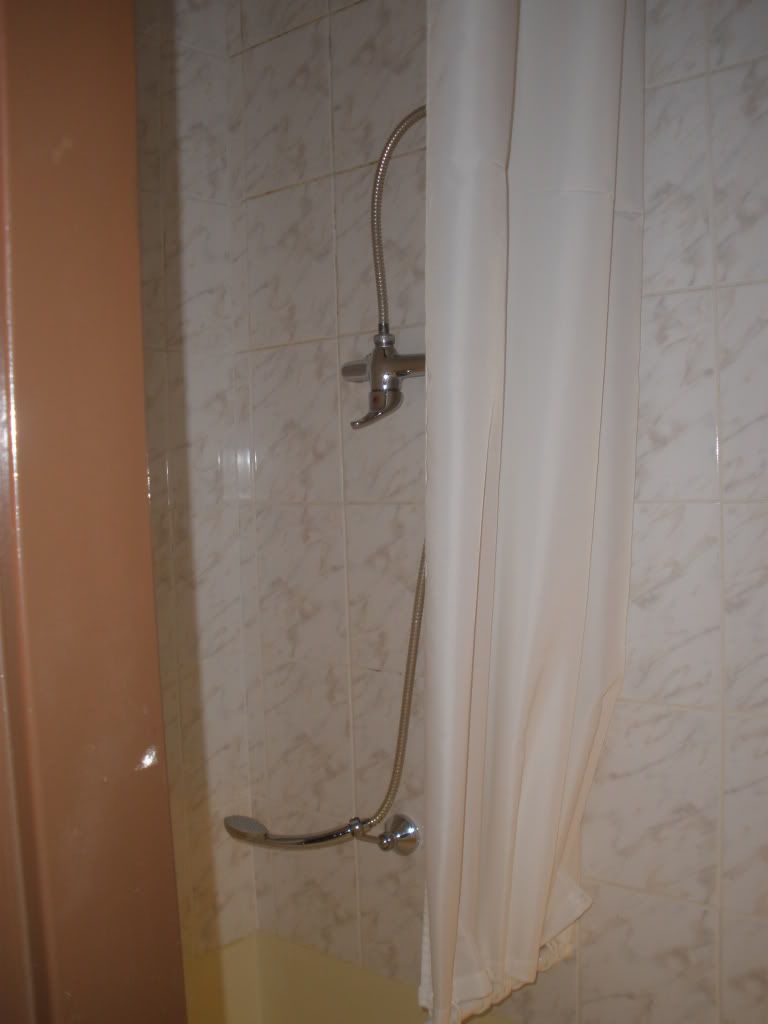
In Prague I stayed at the hotel "Top Hotel Praha" which is ranked with four stars, a large complex with A, B, C and even more (I don't know) sections. Section "A" was my part of hotel and I can't say that this is such a high quality hotel. Rooms are large but very modestly furnished, bathroom small but clean, but the corridors to the rooms are dirty and worn and so as Restaurant. It makes have the impression that you are not in so high class hotel. I noticed that large groups constantly rotate so that the staff is very busy, but that is not excuse for unkindness. If I had not officially been in the hotel would not have been my choice.The hotel is very far from the center, so to all those who go to visit Prague as a tourists I wouldn't recommend staying here.
Room
Bathroom
Bathroom

utorak, 28. rujna 2010.

Prague, part 5 (more photos)


All I wrote about Prague wasn't an experience of only one visit to this city. As I said at the beginning this was my fifth visit to this wonderful city. The pictures are from past and present trips, there is so much to  describe and I still have a lot to see and write about it. Prague is a city of inexhaustible energy and culture, the inspiration for many who love the beauty and harmony, and there is always a reason to return.

Therefore goodbye Prague!!!!

Graphite building
St. Vitus Cathedral
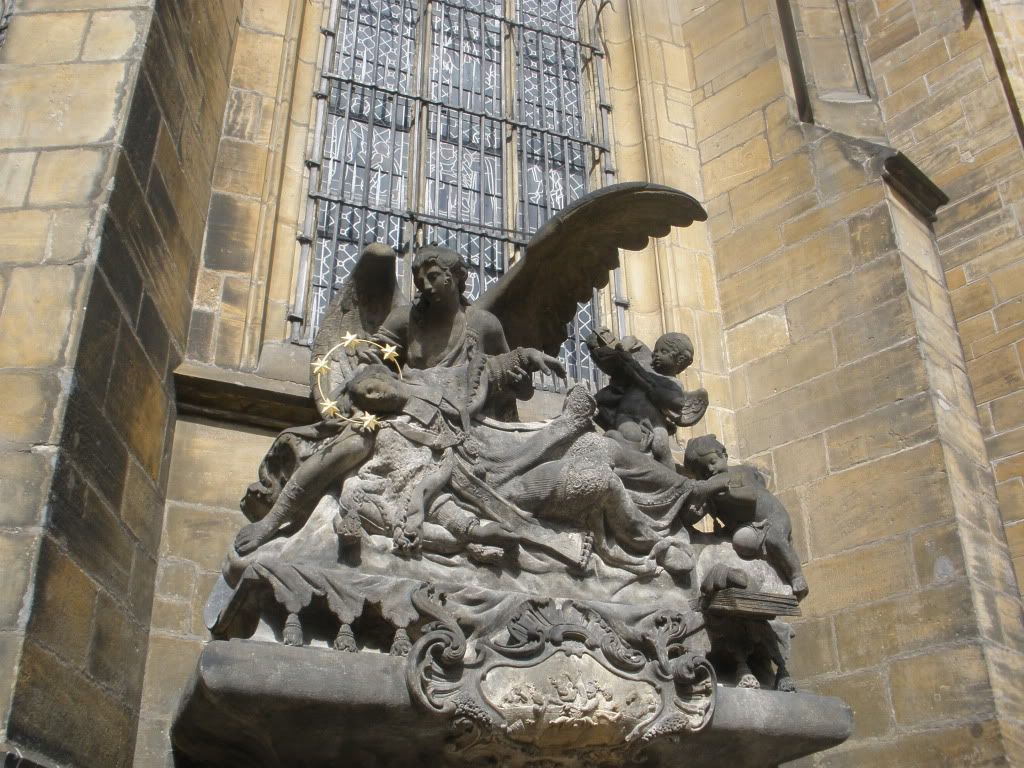
St John Nepomuk
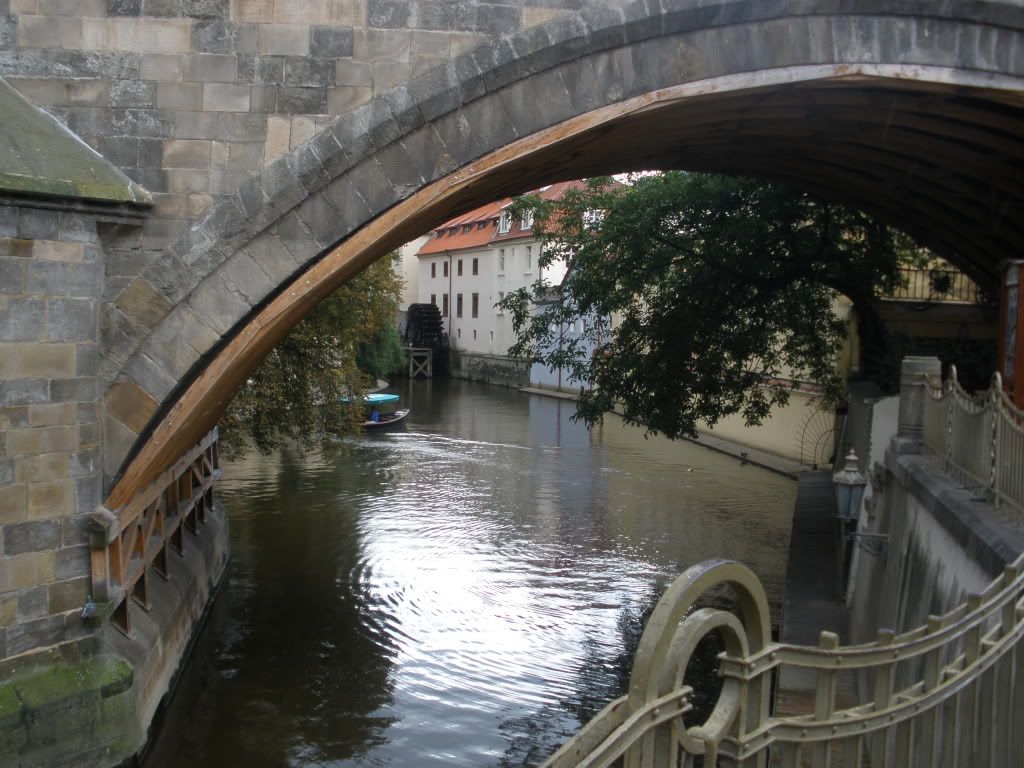
Under  the Charles Bridge
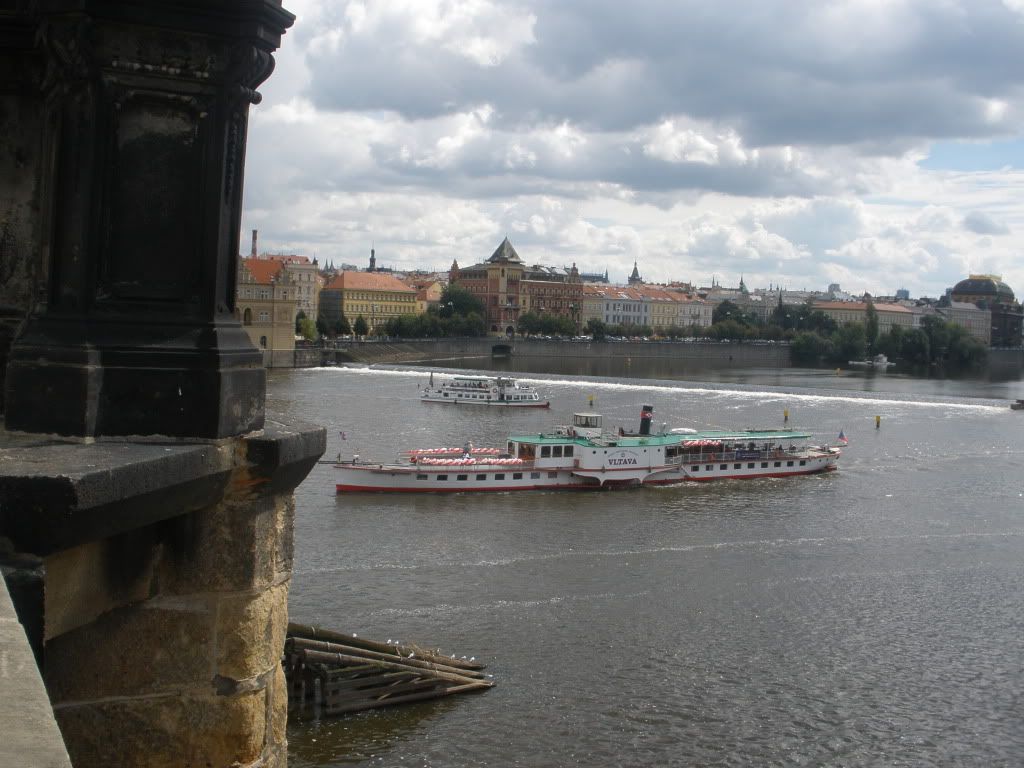
River Vltava tour
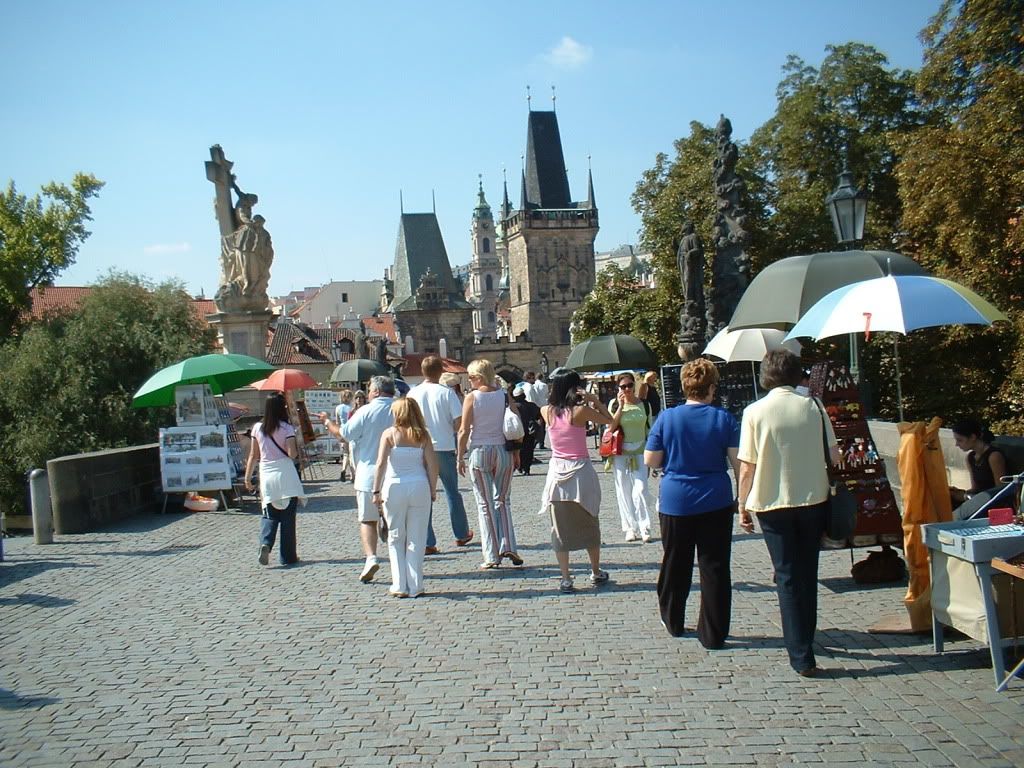
Charles Bridge
On the Charles Bridge
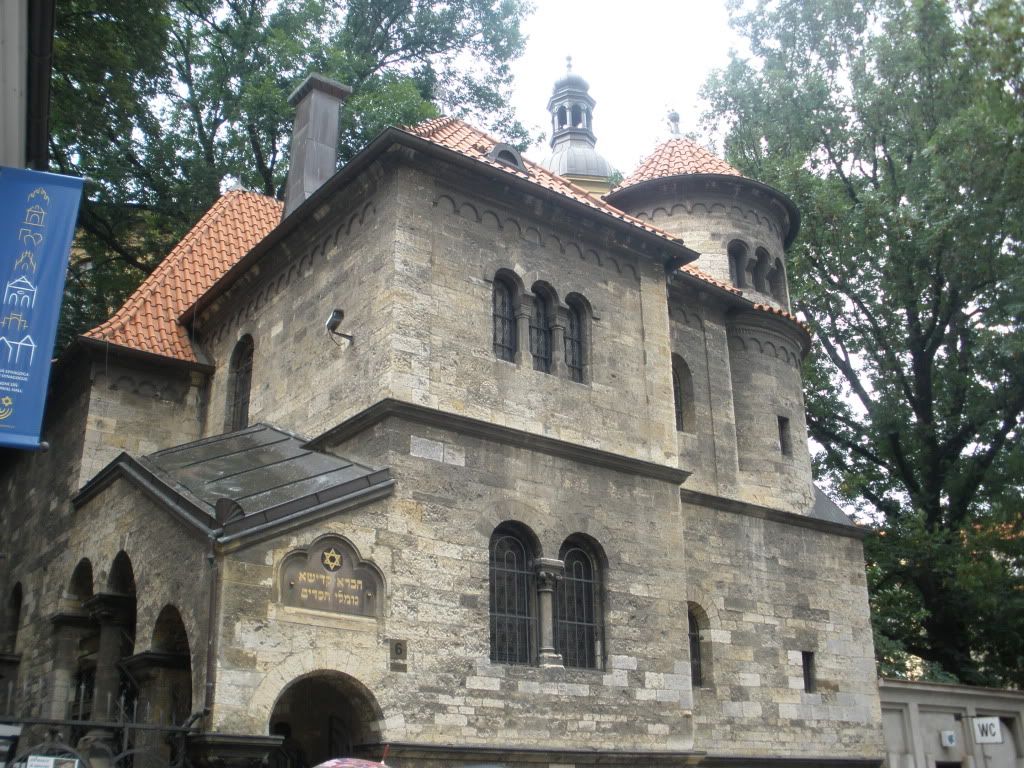
Jewish Quarter
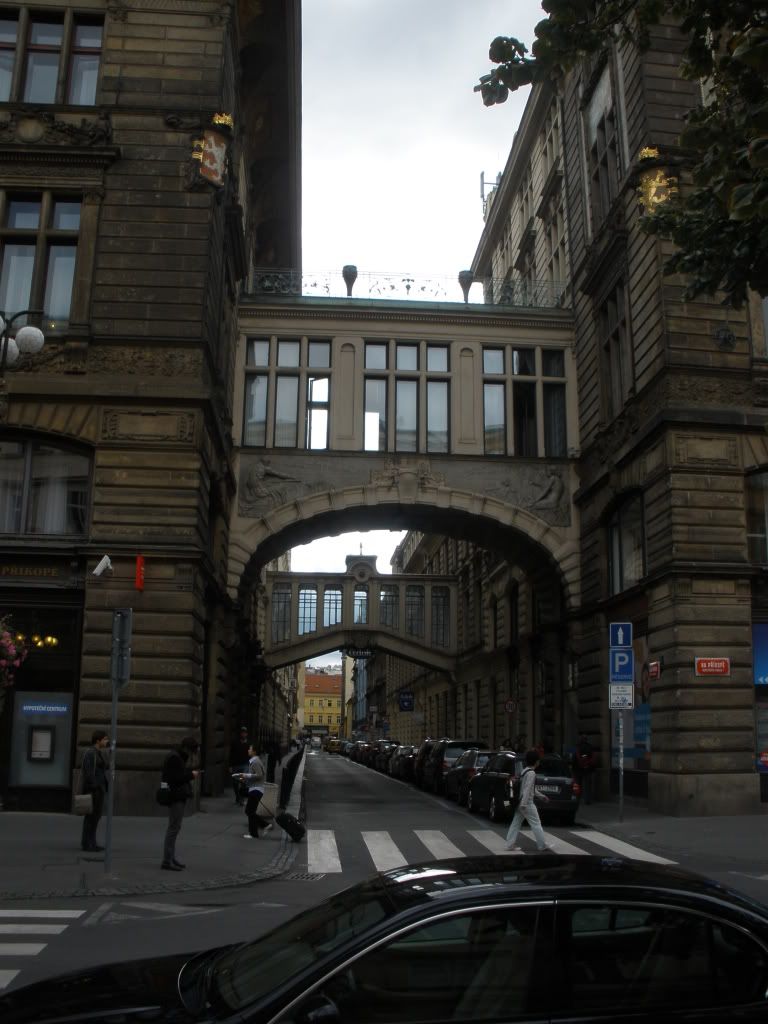
Street of Prague
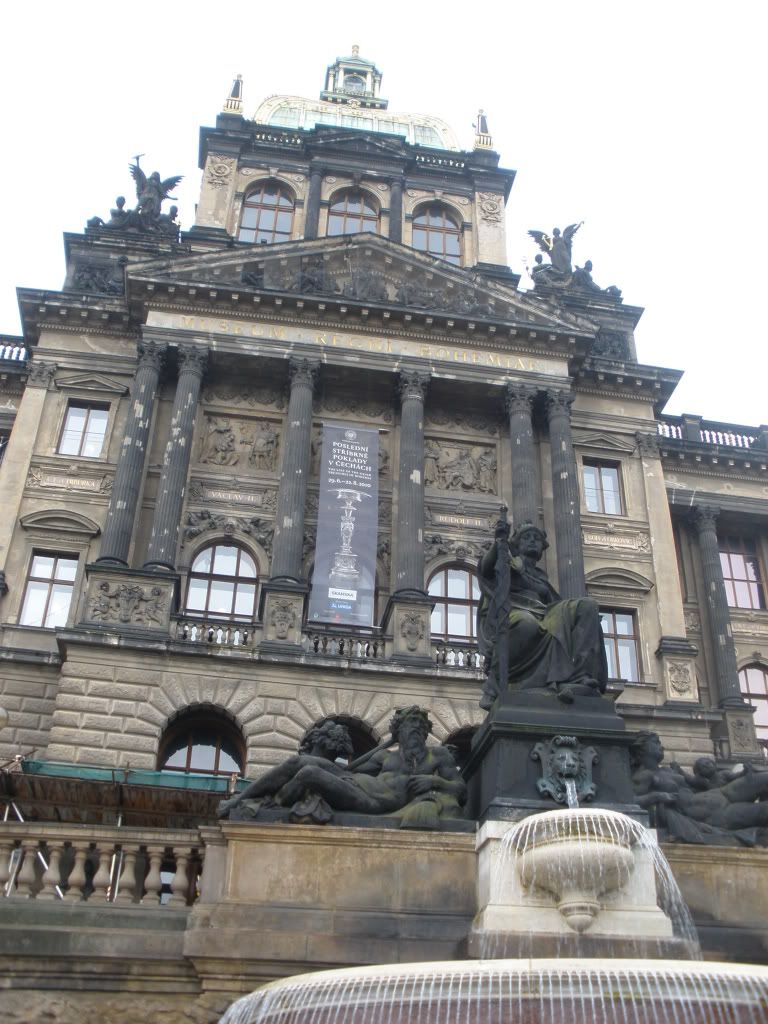
National Museum

nedjelja, 26. rujna 2010.

Prague, part 4

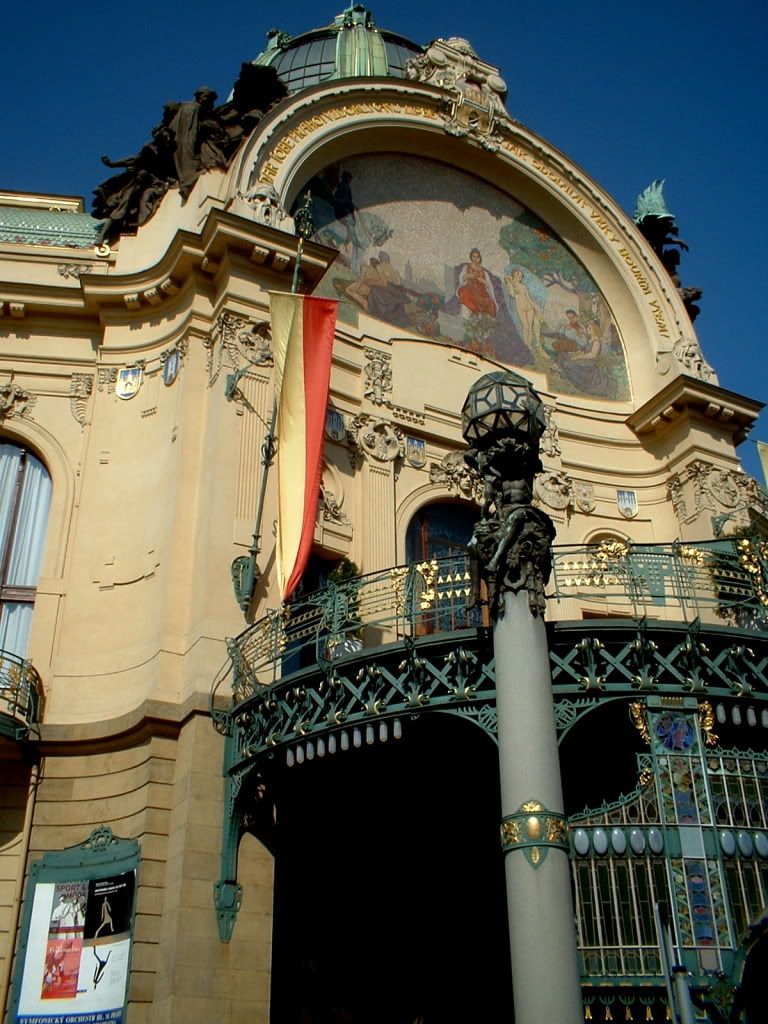
Municipal House

The Municipal House, which the Czechs call Obecní dum, or “The People’s House”. This structure is an awesome example of Prague Art Nouveau architecture, so pay special attention to the details along the edges, the curling vines and decorative motifs around the grand entrance.
The building is used today mostly for concerts, restaurants and a museum, but the location itself has been the seat of governments going back all the way the Wenceslas IV, to a time before Prague Castle.


Powder Tower

Gothic Powder Tower, or Prašna brana, built in 1475. It is so named because it was used to store weaponry and gun powder during the thirty-year war. This tower is very similar to the ones at the Charles Bridge and there was a time when 13 such gates served as entrance ways into the city. If you have the time, do take a trip up the narrow, winding stairs to the observation deck at the top, that would be nice. I left it for the next time.


Jan Hus Memorial

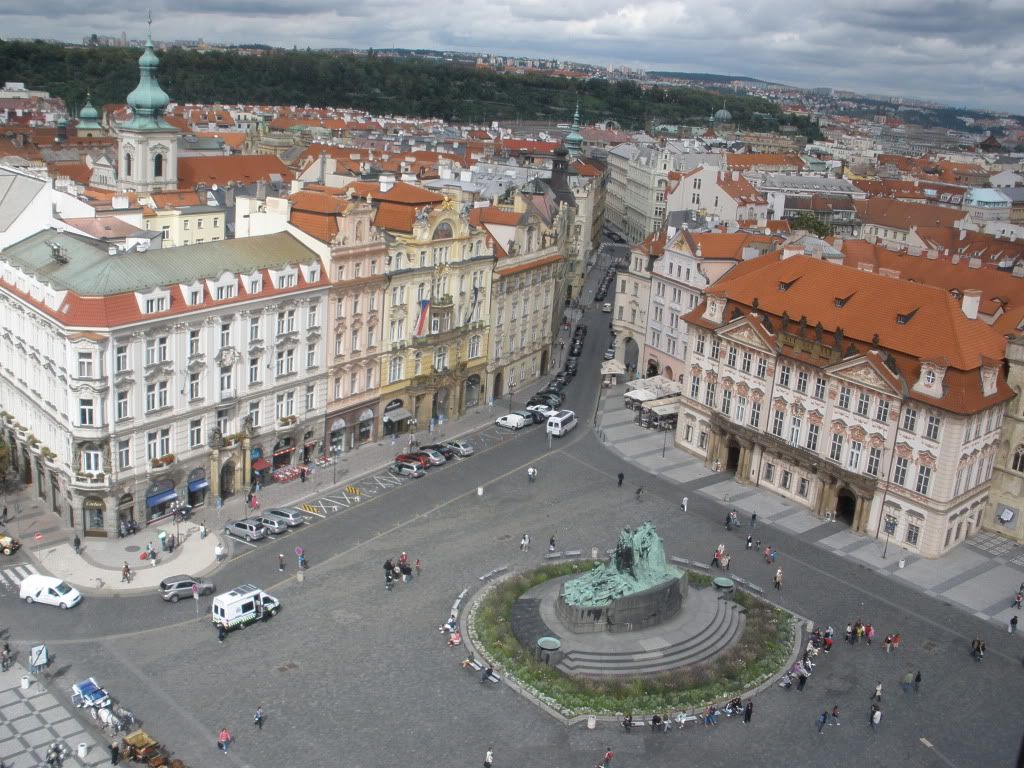
In the same corner of Old Town Square there is the Jan Hus Memorial. A deeper look into the life of Hus is well worth it, to understand the role of the Hussites in Czech history, and the role of the Czech Republic in Protestantism in general. Ultimately, he was burnt as a heretic for his efforts to bring fairness to the Papal Catholicism of the day. Hus will always be a hero of the people for his conviction and bravery in standing up to the corrupt papacy at the time. Unveiled in 1915, the statue is a rare example of Art Nouveau as memorial.

Church of St. Nicholas

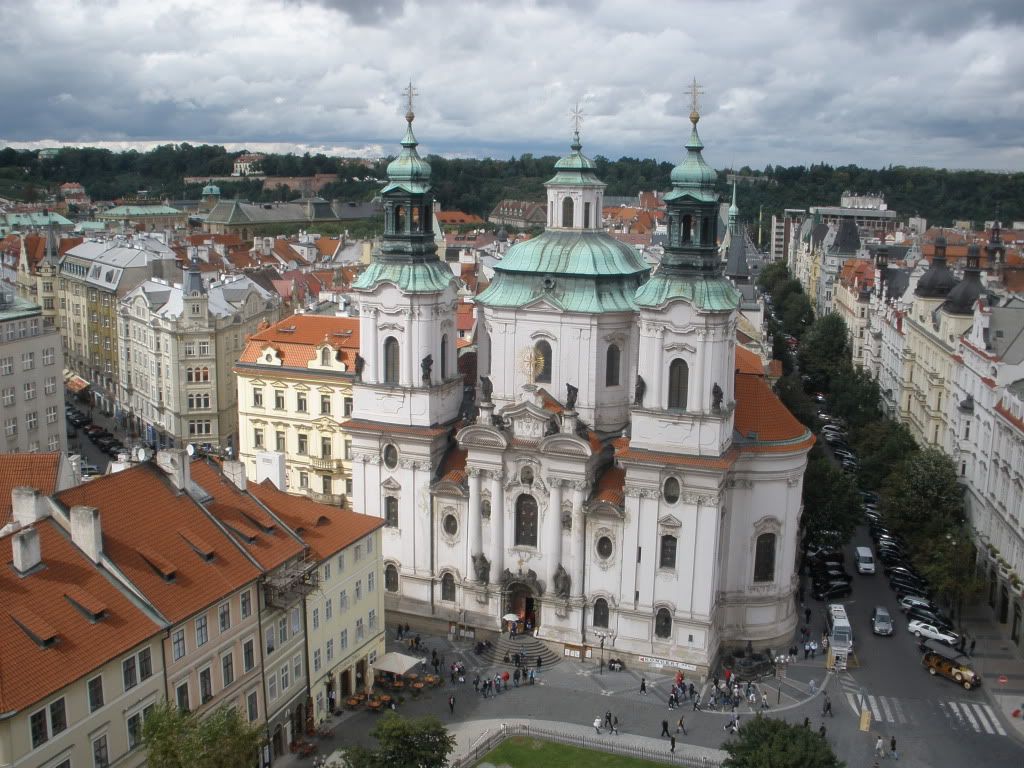
The enormous white church on the square is called St. Nicholas Church and it is celebrated by Baroque architecture fans. The outsides swell with organic curves and the inside is the dazzling white and gold home to hundreds of chubby little angels. Concerts are on offer here as well. As with many Czech churches, it has had a spotted history – burnt and rebuilt, decommissioned, re-commissioned, stripped bare and handed over to the Protestants. Today it is yet another place to take in some classical music, and it is a venue where guest choirs sometimes perform.

Clementinum

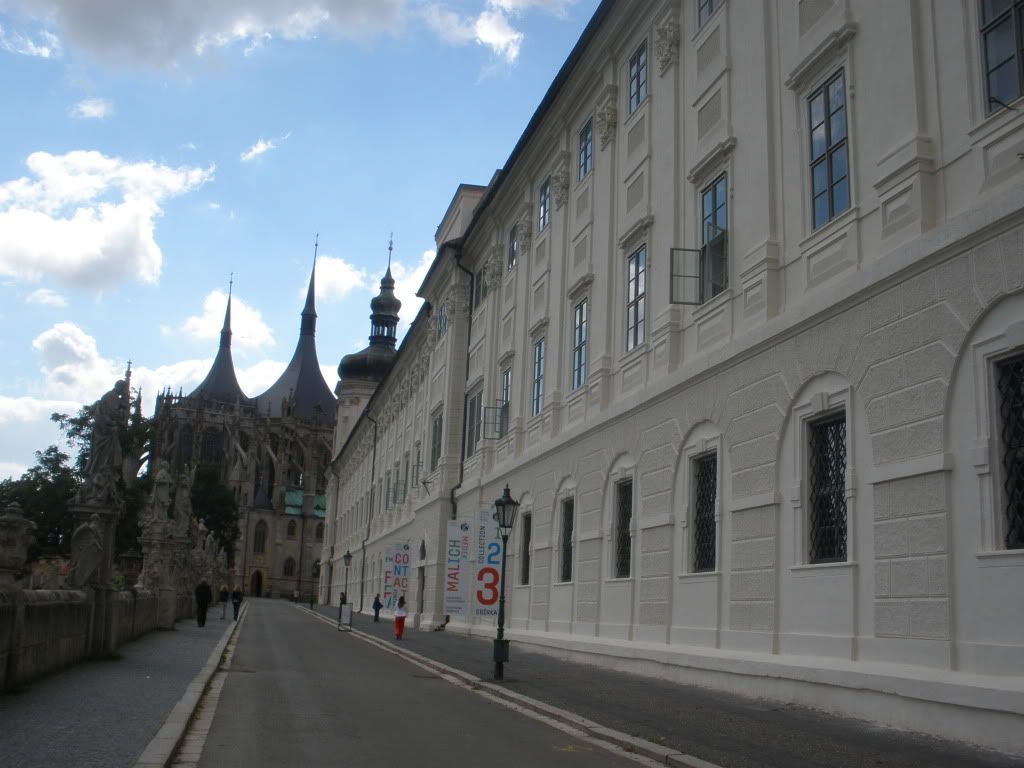
The Clementinum is a former Jesuit college, given to Charles University. The large and beautiful Baroque complex is where many historical collections of the National Library are preserved. It’s also home to an observatory and the astronomical tower. Leading mechanics and scientists at the University designed special gear and outfitted it with some of the most advanced equipment to be had at the time. The Church has excellent acoustics and is a frequent venue for classical concerts.

Church of our Lady Before Tyn

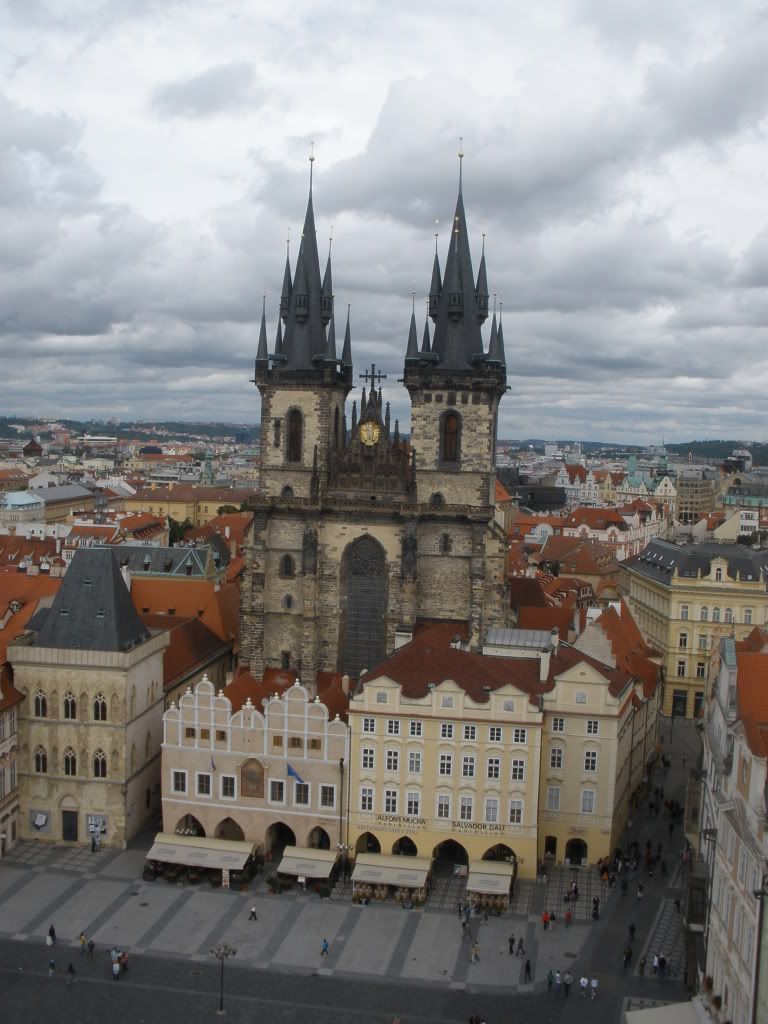
The Church of Our Lady before Tyn. At night it is magnificently lit and its twin towers loom over Old Town Square. It was built by Hussites, followers of Jan Hus and it played a key role in their movement, being the seat of their Bishop, Jan Rokycana from 1424. Buried inside, among many others, is Tycho Brahe. This Danish astronomer was the leading observer of planetary movement at the time, and it was his notes that Johannes Keppler used to determine that the earth was not the center of the universe. Both men were invited to Prague by the visionary Emperor Rudolf II who was interested in all things occult and science.

subota, 25. rujna 2010.

Prague, part 3

The Astronomical clock - Orloj

The astronomical clock was constructed in 1410 by the clockmaker Mikulas of Kadan in collaboration with Jan Ondrejuv called Sindel, professor of mathematics and astronomy of Prague Charles University. The mechanisms they have built over 600 years ago are still in function. The figures of the 12 apostles, blessing the city at every hour were added in more recent times, during the major repair work carried out between the years 1865-1866. The clock and the entire City Hall were damaged during the WW II. On the last day of the war, the centre of old Prague was the aim of the Nazi artillery. The entire building of the Old Town Hall burnt down. Fortunately, everything could be reconstructed and the figures of the apostles replaced by the creations of the woodcarver Vojtech Sucharda after the end of the WW II. There are also eight immobile figures on the left and right side of the clock dial and the calendar. The four figures at the clock dial are symbols of the Prague medieval society. On the left side are represented Vanity admiring himself in a mirror and the Miser/Jew holding into his bag of gold. On the right side are represented Death ringing his bell and a Turk shaking his head. Under the clock dial there is Calendar, painted by Josef Manes in 1805. The Clock Tower is also decorated with exquisite coats of arms and different royal symbols. There is also a rooster that crows after the Apostles have finished their blessing.
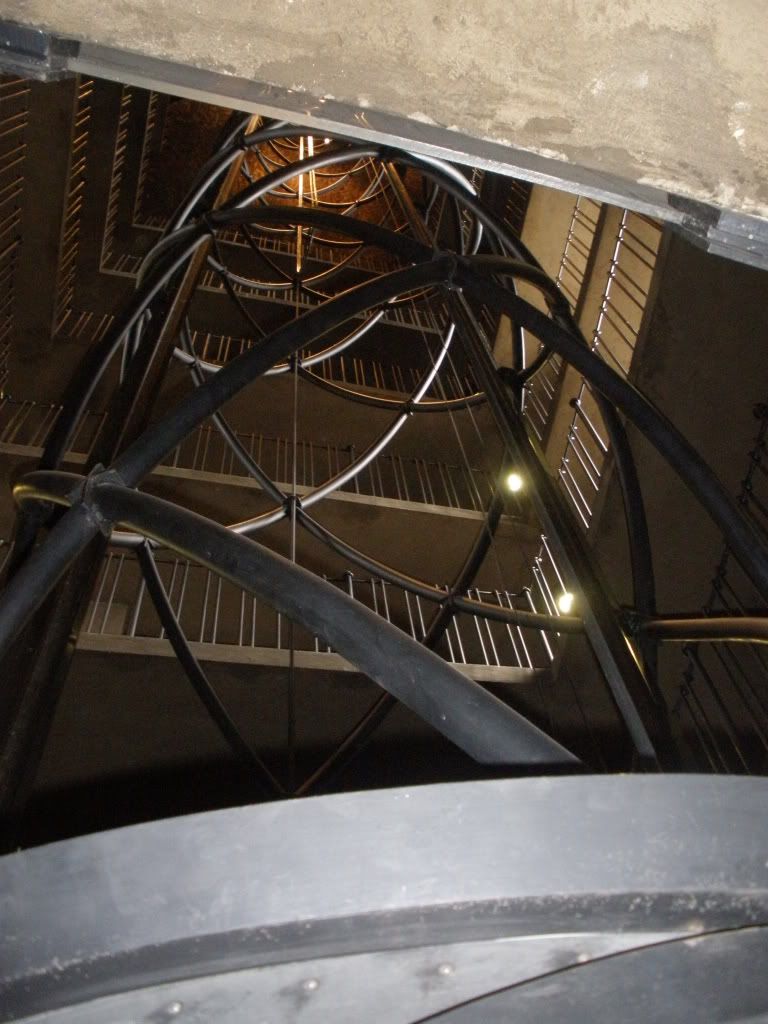
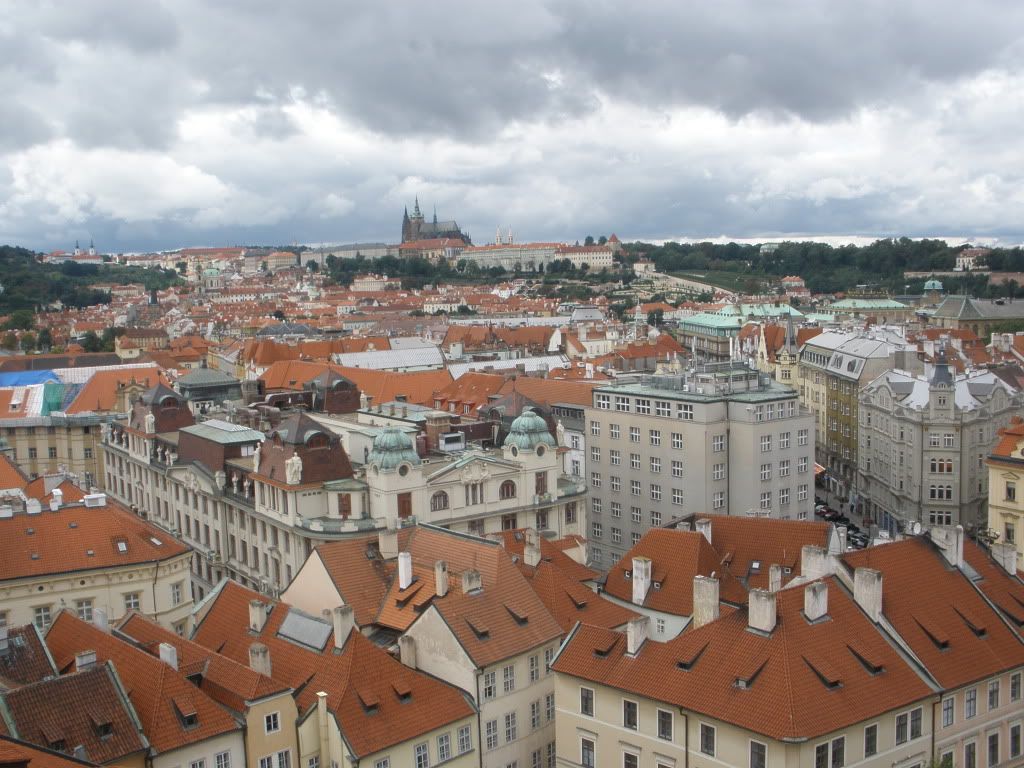
And at the end, when I heard that I could climb to the top of the tower, I couldn't resist to reach another “top of the world“. So we went streight up and had a fantastic view of the surroundings.


Wenceslas Square

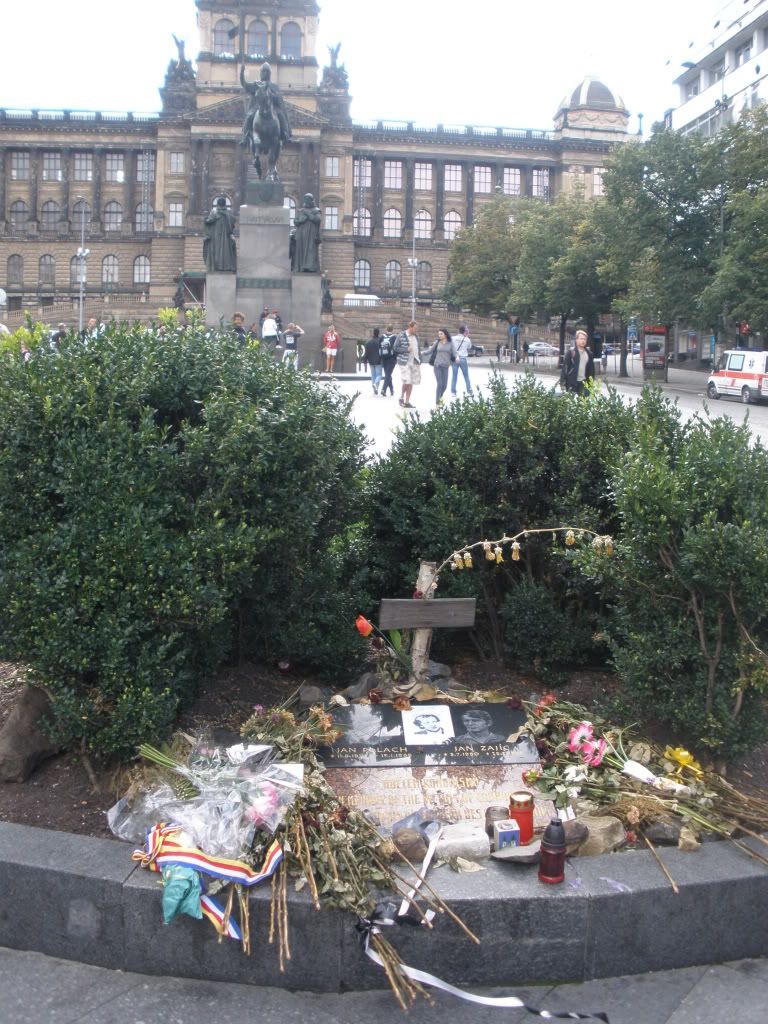
Wenceslas Square is one of the main city squares and the center of the business and cultural communities in the New Town of Prague.. Many historical events occurred there, and it is a traditional setting for demonstrations, celebrations, and other public gatherings. The square is named after Saint Wenceslas the patron saint of Bohemia.It is part of the historic centre of Prague,and a World Heritage Site.
Still are fresh memories of 1968 when the Russian troops,  entered into Prague with tanks, and the two young students Jan Palach and Jan Zajic,  in protest, committed suicide by burning. On the place of this unfortunate event today is the memorial tablet. 
I was a little girl but I remember that day. My parents and I set in front of the television and wached the horrible scenes from Prague. The music that was playing in the background of the news was Smetana's Vltava.That has remained so strong in my memory  that even today when I hear this wonderful work of Smetana I can remember that day.

To be continued.....

nedjelja, 19. rujna 2010.

Prague, part 2

Determining what's most important, interesting or beautiful,in such an inspiring city simply by talking a walk isn't an easy task, so we simply let the city itself to lead us along its paths and started the tour with Loreto.


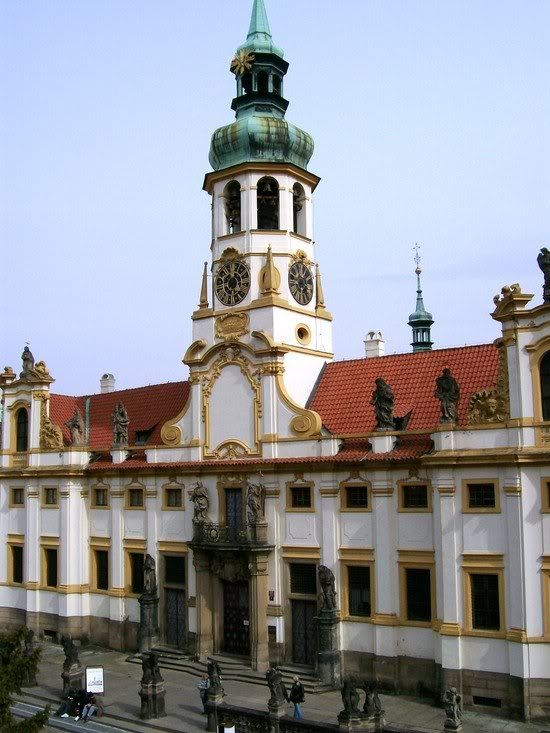
Loreto

Loreto Palace was named after the town of Loreto, Italy, where the dwelling of the Virgin Mary was said to have been brought by angels from Palestine in the 13th century. The beautiful Loreta church is an important pilgrimage site, commissioned by Baroness Beligna Katherina von Lobkowicz in 1626.
After completion, Loreta was maintained by the Capuchins, an order connected with the St. Francis of Assisi's Brotherhood.
This historical building was created to promote the legend of Santa Casa, a copy of the house believed to be the Virgin Mary's. This Santa Casa copy, complete with original fresco pieces and the statue of Our Lady of Loreta, sits in a delightful courtyard surrounded by chapel-lined arcades.
Something that should definitely not be missed is the 'Prague Sun' and its 6000   diamonds in the Treasury, and the 27-bell  playing every hour at the entrance.

 Hradčany

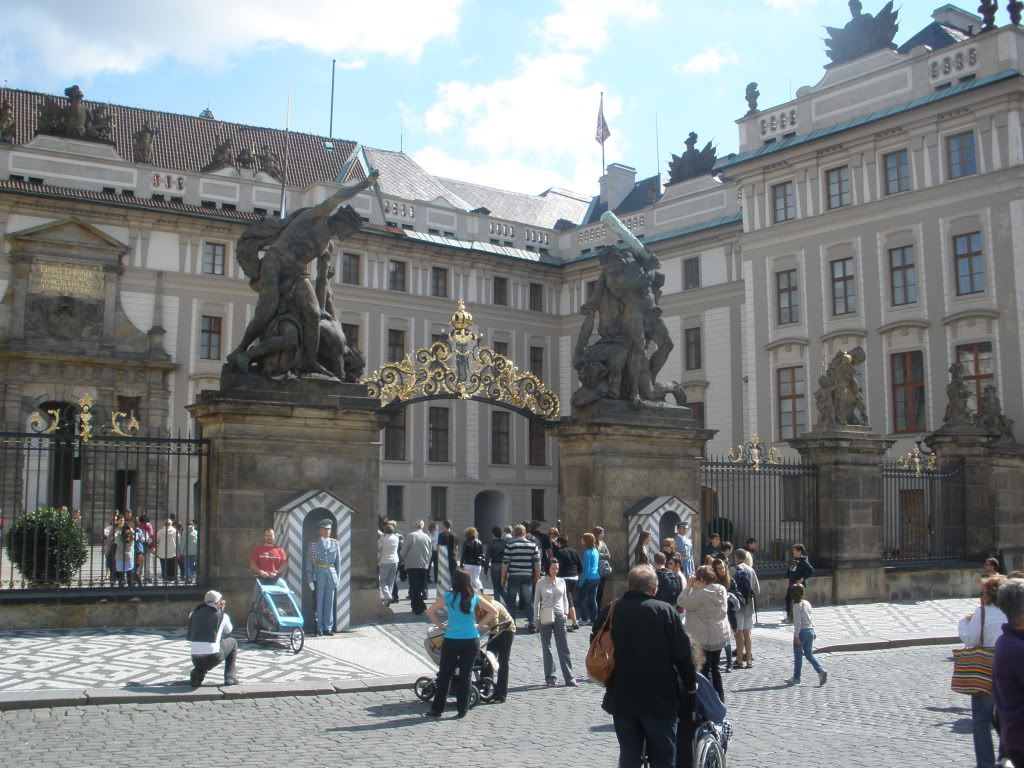
Prague Castle - Hradčany  from the beginning of the  9th century was the seat of kings, rulers, and serves today as a working place for mayors and other officials.It is not just a castle this is the entire complex of buildings, churches, cathedrals, historic monuments, museums.The main entrance to the Prague castle is the place called Hradčany Square.  At the main entrance there are  guardians, which, like those in England, stand motionless.The gate is adorned with statues of giants in the battle. In the second campus is Kolova fountain and chapel Saint Cross. The gate on the north side of the second garden  leads to the royal gardens, galleries of Prague castle with  displayed works from the period of the reign of Rudolf II and the royal stables. 


Cathedral St. Vitus

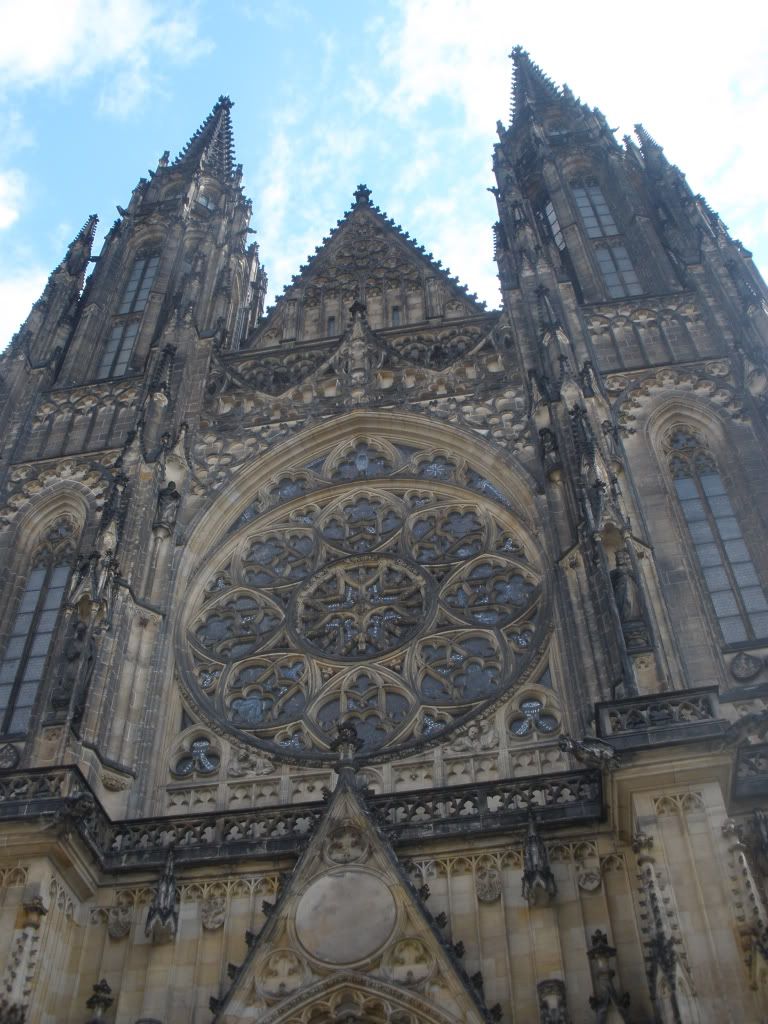
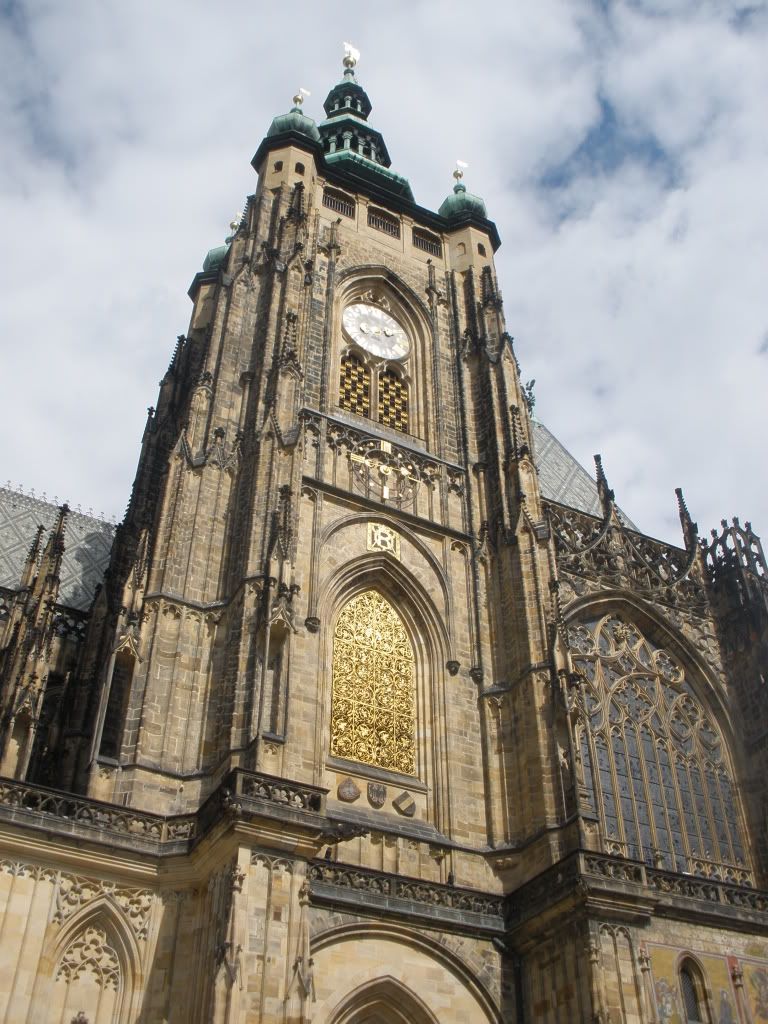
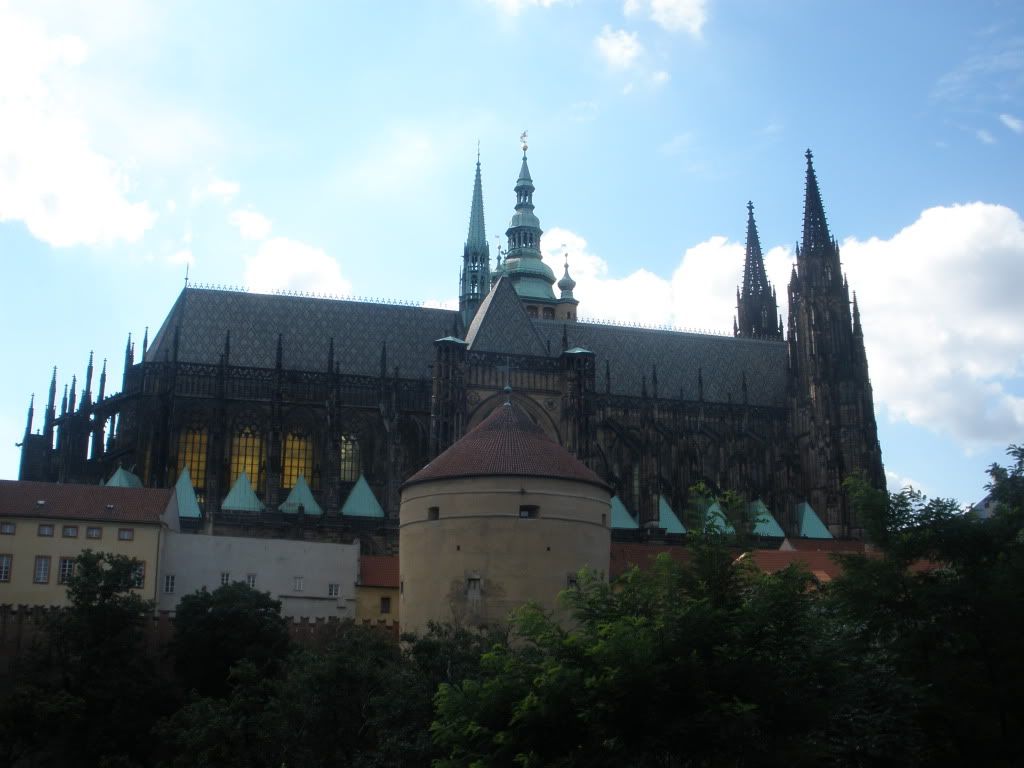
The enormous Prague Castle complex includes many fine buildings, St. Vitus is the one that dominates the city skyline and is visible from far and wide. The spiritual symbol of the city and the Czech state, which inevitably must visit. A Gothic masterpiece, work on the cathedral was commissioned by Charles IV and began in 1344 upon the site of an earlier 10th century . It took nearly six centuries to complete.
Its first builders, Matthias of Arras and later Peter Parler, built the chancel with a ring of chapels, St. Wenceslas Chapel, the Golden Portal and the lower part of the main steeple.
The final phase of construction only ended during the period 1873-1929.
As well as being the largest and most important temple in Prague, St. Vitus Cathedral also oversaw the coronations of Czech kings and queens. In the chancel of the cathedral, in front of the high alter, is the royal mausoleum. Below this, in the crypt, there are the royal tombs. Czech kings and queens and patron saints are interred here.
A tower of the cathedral can be visited only by the 287 stairs. Exhausting but when you reach the top you have a sight at the whole city worth of one million of something .... hahaha!


Charles Bridge - Karluv most

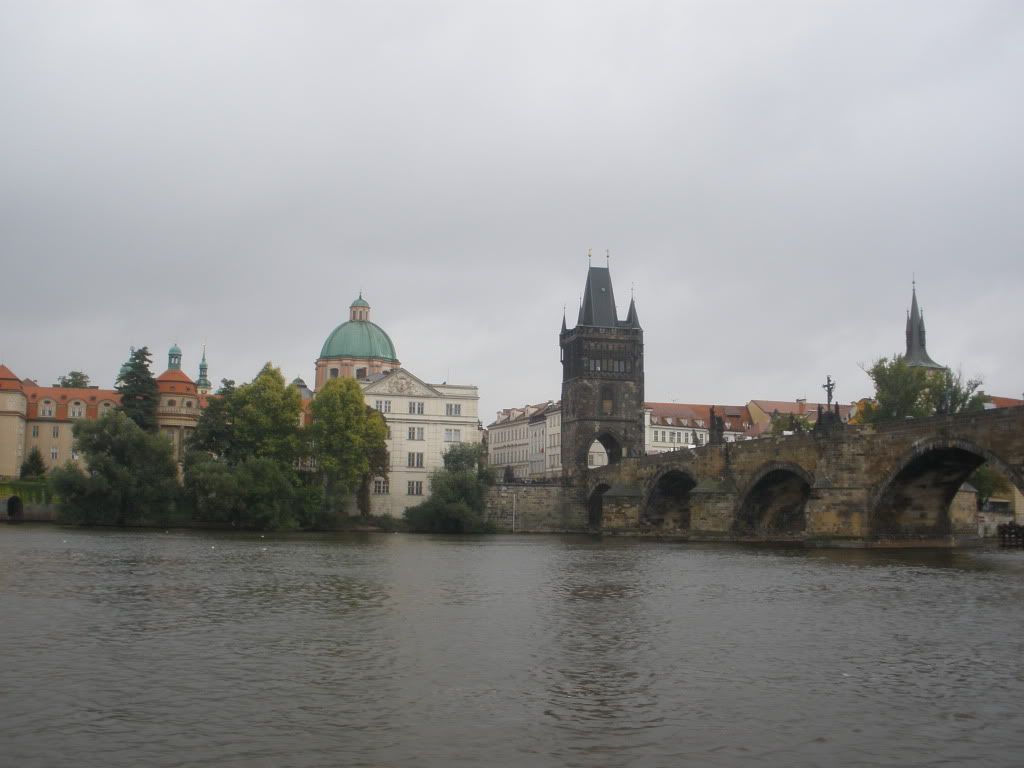
Charles Bridge is a stone Gothic bridge that connects the Old Town and Malá Strana. It was actually called the Stone Bridge (Kamenny most) during the first several centuries. Its construction was commissioned by Czech king and Holy Roman Emperor Charles IV and began in 1357. It's said that egg yolks were mixed into the mortar to strengthen the construction of the bridge.
Charles Bridge is one of the many monuments that were built during Charles's reign but it is not the first bridge that ever connected the Prague banks of the river Vltava. Another bridge used to stand in its place - the Judith Bridge, which was the first stone bridge over the river. It was built in 1172 and collapsed in a flood in 1342.
Charles Bridge has survived many floods, most recently in August 2002 when the country experienced the worst flood in the past 500 years.
There is a tower standing on each end of the bridge,  on the Staromestska vež on the Old Town  and on the Malostranska vež on the Mala Strana. You can climb to the top for a view of Prague and the bridge from above. I haven't done it yet I left it for the next time.
About 30 Baroque statues began to be placed on either side of Charles Bridge in the 17th century. Now many of them are copies and the originals can be seen in the Lapidarium. The most popular statue is probably the one of St. John of Nepomuk, a Czech martyr saint who was executed during the reign of Wenceslas IV by being thrown into the Vltava from the bridge.


To be continued....

ponedjeljak, 13. rujna 2010.

Prague, part 1


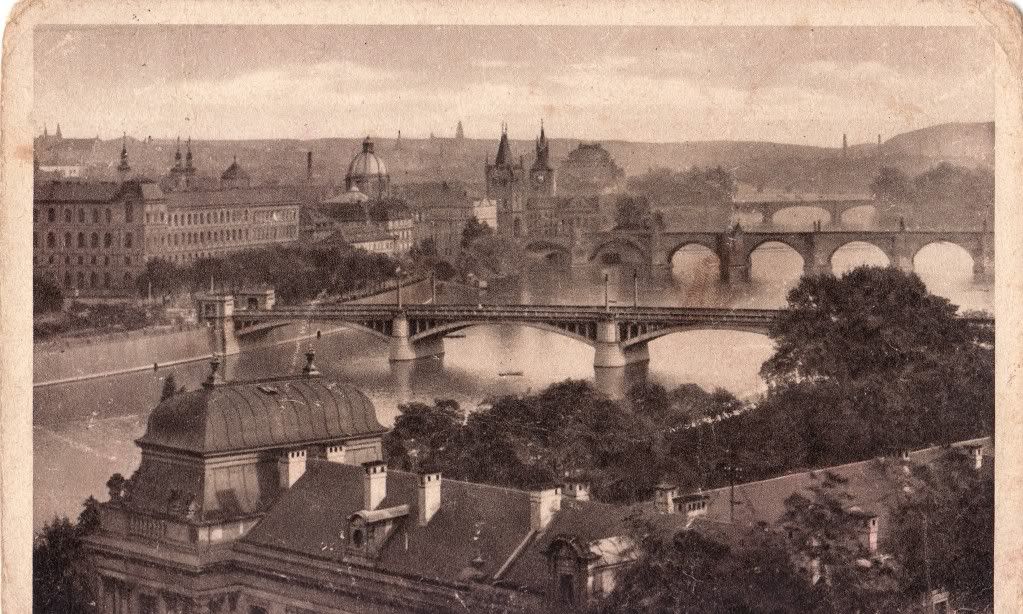
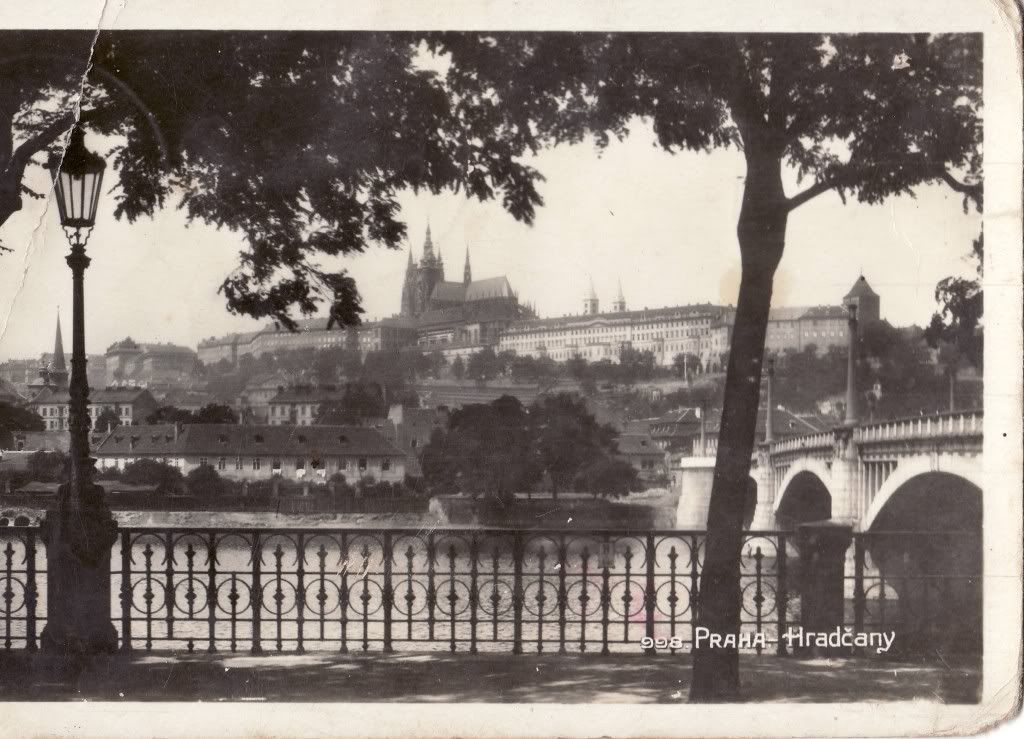
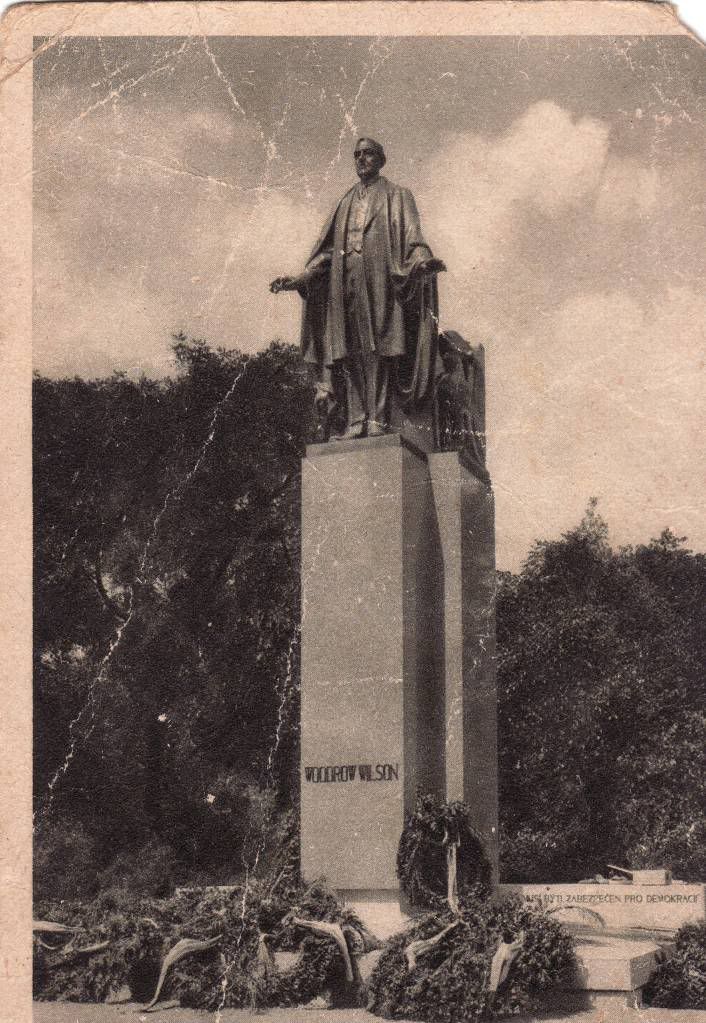
My family had strong ties with the Czech Republic during the twenties and thirties. They lived well and travels were part of their lives. From that time my grandmother, who died seventeen years ago, kept her postcards which were sent to her by friends, brothers, and even herself when she was abroad, from all over the world. So I found this beautiful old postcards of Prague from the thirties of last century. They are indeed a true witness of its time.

Prague panorama


View of the Hradčany
Wilson's monument


Wenceslas Square and National Musum

This was my fifth visit to Prague. Golden Prague as it is called indeed rightly deserve its name.
The first time I was there in 1991. after the departure of Russian troops from the Czech Republic. It was a sight of a sad and shabby city, although below that appearance could discerned all its beauty and splendor that once existed. It was not conquered or broken.

The second time I came in 1995. It was my first exit from the Croatian city of Dubrovnik which was four years burdened by a war and all the bad things that war brings. Since then Dubrovnik was very poorly connected to the world, I remember that it was a long and exhausting journey. This city, after all the suffering I've been through, embraced me as friend and I had a feeling like a new light was entering into my life.

1997. was my third visit. The old grandeur and the beauty was little by little returning. Facades were restoring, the works on the streets and buildings were in full swing. Prague was returning to life and to its rightful place. It became again the heart of Europe.

In 2004. when I came again the change for the better was so visible that I could no longer compare with what I found when I was there for the first time.

Today, in 2010. it is a metropolis, full of vibrancy, people, life, modern shops, good organized nightlife. For all lovers of music, theater, culture in general Prague is real treat.
Let's walk together through this wonderfull city!

subota, 11. rujna 2010.

Kutna Hora

This post is dedicated to my grandfather Jozef Šimánek who I had no chance to meet. He died a long before I was born.


During our stay in Prague we took a one day trip to the ancient silver mining town of Kutna Hora. In less than an hour, we escaped the crowds of Prague and enjoyed the beauty of this small Czech town with a great past.
Here are some facts I found in  Tourist Information.

Kutna Hora is known by the mining of silver. In 1142 the first Cistercian monastery in the Czech lands was established in the nearby village of Sedlec and at the end of the 13th century the original mining settlement of Old Kutna soon became a wealthy royal city. In 1300 King Vaclav II issued the mining legislation and in the same year he initiated a coinage reform. One century later another king, Vaclav IV, issued the Kutna Hora Decree, which amended the proportion of votes at Prague University in favor of the Czechs. Kutna Hora is therefore rightly considered to be the treasure-house of the land whose wealth gave strength to the expansion of the Kingdom of Bohemia. Its history and uniqueness were recognized in 1995 the city was inscribed in the UNESCO World Cultural and Heritage List.

During these couple of hours of our stay in this amazing city we didn't have much time to see everything that was offered to us. So we decided to visit some of the most important sights.

St. Barbara's Cathedral

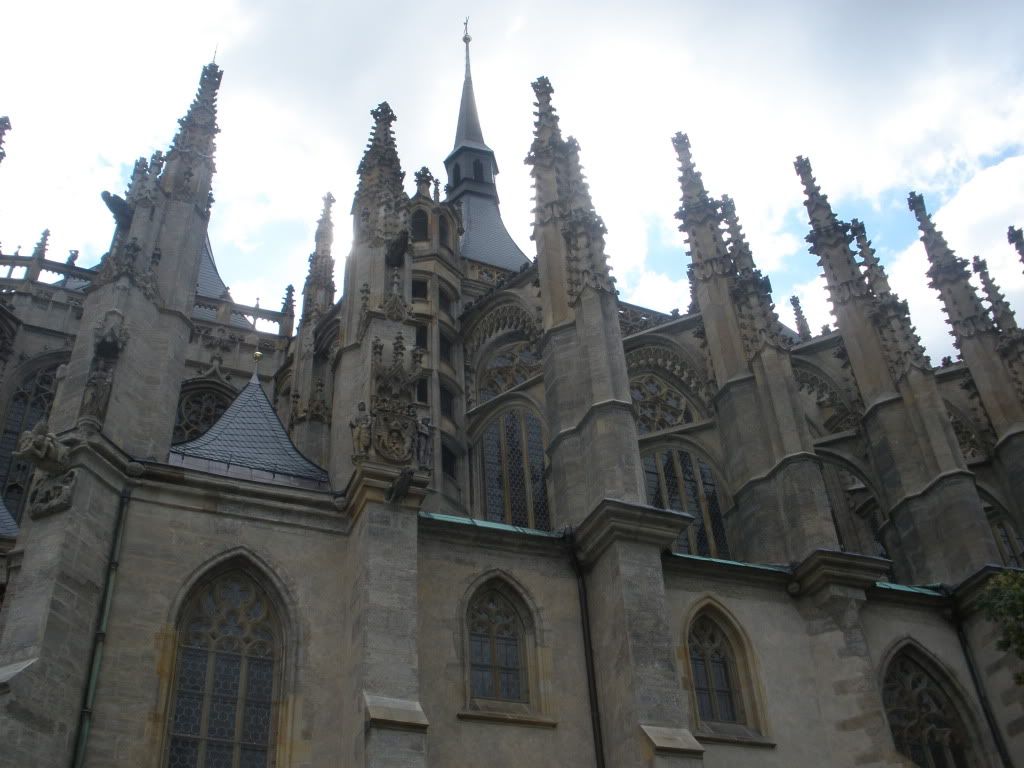
In the late 1300s St. Barbara’s was founded by the rich mine owners of Kutna Hora in an attempt to further their religious independence from the Cistercian monastery at Sedlec and compete with the grandeur of Prague’s St. Vitus cathedral. The Hussite rebellion soon interrupted their plans,  and construction work on the cathedral didn’t resume until 1482, when the mining industry recovered.
New techniques altered the plans for the construction, and the unique shape of the spires is a product of this late 15th to early 16th century burst of construction. Financial difficulties and the eventual demise of the mining industry brought another halt to the work and when  the city and local archeological society found the impetus and means to continue the construction, in 1884 the works begun and eventually completed in 1905. St. Barbara is the patron saint of miners.
St. Jacob's church

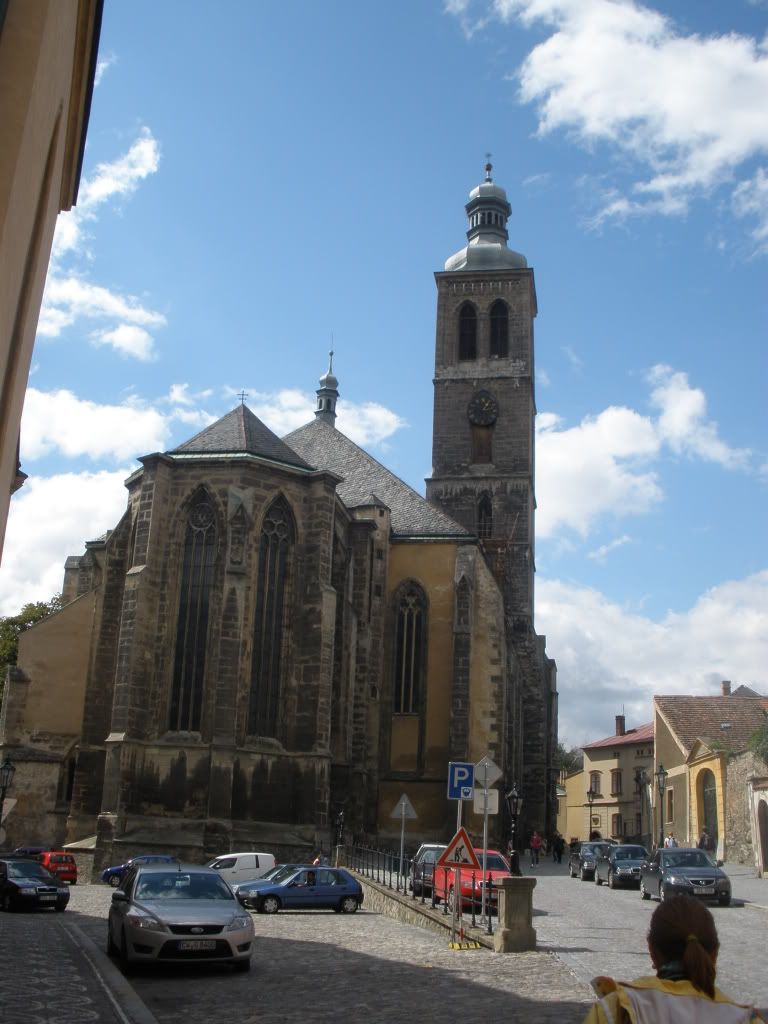
You can't miss the Church of Saint Jacob in Kutna Hora. It was built on a higher place and its dominance is even magnified by its 85 meters high tower. Originally it had to have two towers, but this idea was abandoned because of unsuitable terrain.  The building was constructed on the costs of local mining entrepreneurs and it was finished in 1420, just to be burned down by Hussites and wait 40 years for reconstruction. Every hour a guard from Jacobian tower cried out: „Dear God, please protect Kutna Hora“. It's now under renovation so we couldn't enter inside.

The Ossuary in Sedlec

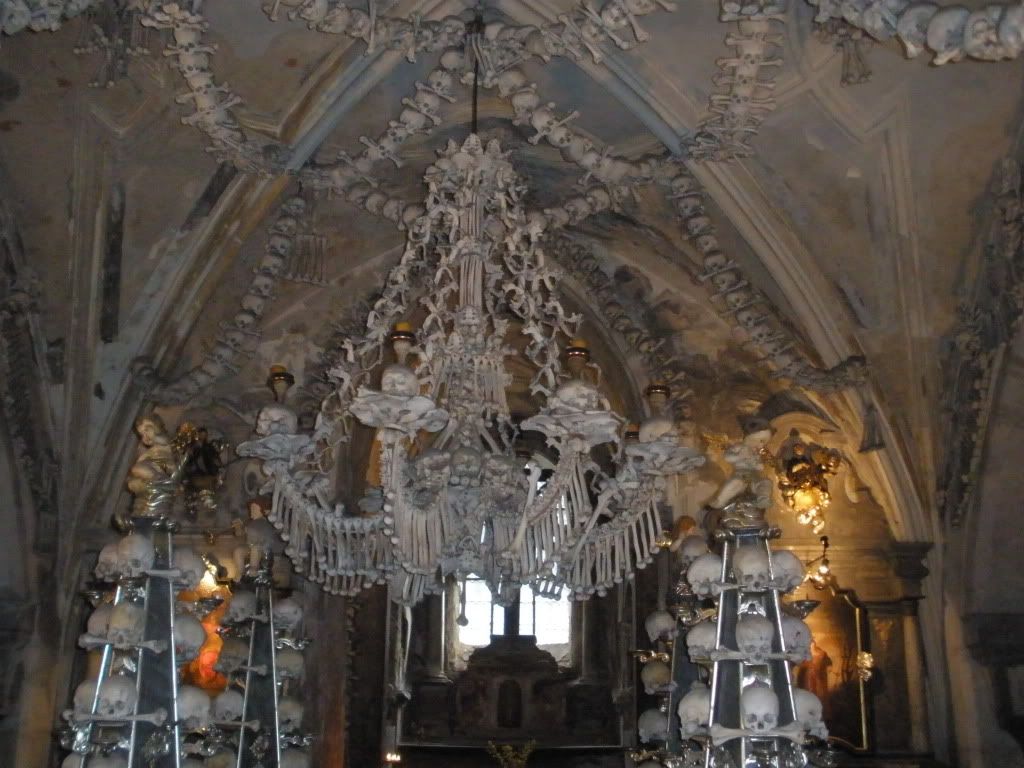
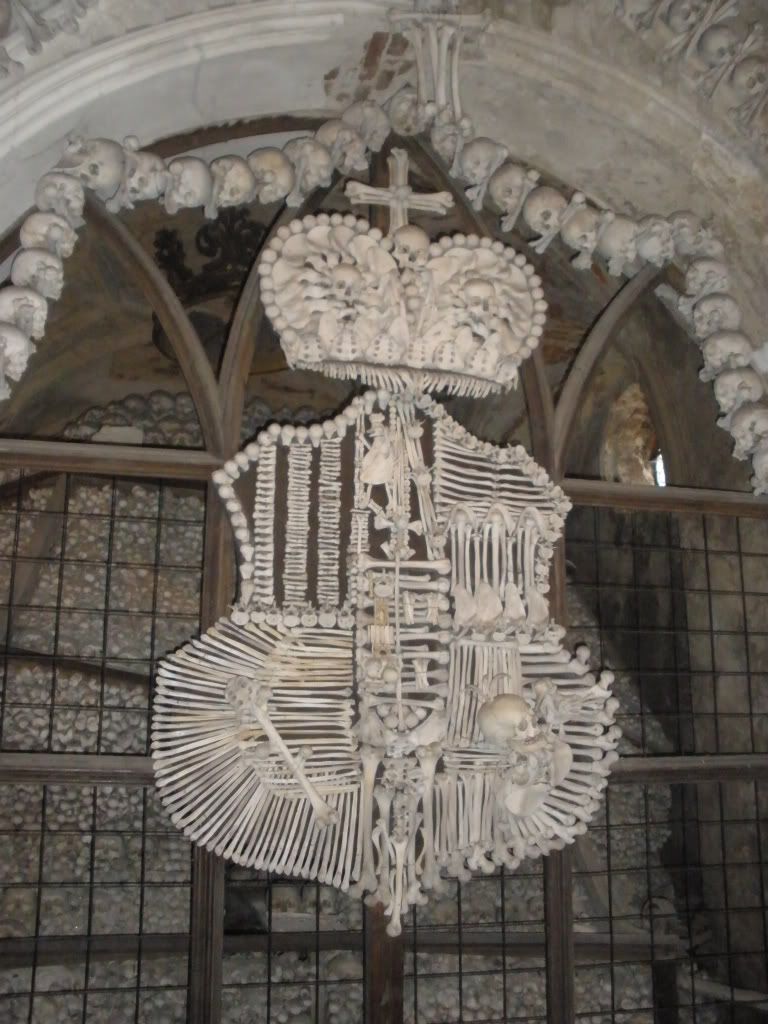
Kutna Hora is also known for the curious "Bone Church" or Ossuary. It is located in the nearby suburb of Sedlec. The church contains the bones of over 40,000 people which are used to create a works of art  such as arrangements of bells, pyramids, candle holders, crests and a chandelier. According to legend, this was the work of blind Cistercian monk. It's a two floor church built in 1400, destroyed in the mid of 17th century  and reconstructed at the beginning of the 18th century.
The lower part is known as Jesus Christ on the Mount of Olives and upper part is known as All Saints Chapel. The bone chapel, cathedral, and mine tour are the highlights of Kutna Hora, but there’re other impressive churches, lovely back streets, fountains........
A day is definitely not enough  for such a small but wealthy town. Next time I will come here better prepared to stay  for few days. I owe it to Kutna Hora and to myself.